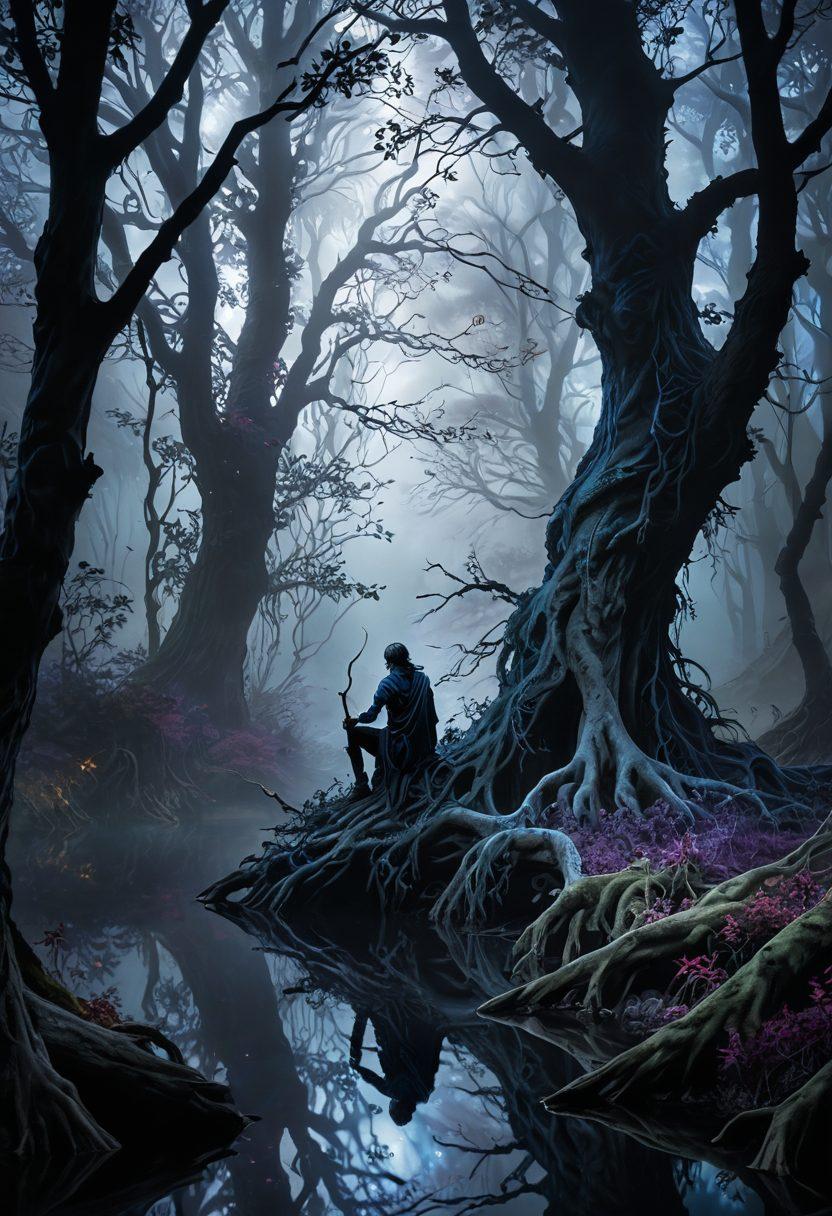
Exploring the Depths of Sadness: The Authorial Voice of Steven Erikson in Fantasy Literature
In the vast expanse of fantasy literature, few authors delve into the depths of human emotion like Steven Erikson. Known for his epic fantasy series, *Malazan Book of the Fallen*, Erikson artfully weaves stories that resonate with sadness and melancholy. What sets Erikson apart is his profound exploration of the human condition, making readers question the very essence of grief and loss. As book clubs discuss his work, it's essential to unravel how the authorial voice of Steven Erikson shapes his narratives, crafting a rich tapestry that evokes emotion and reflection. Have you ever found a piece of fiction that lingers in your heart long after you've turned the last page? That's the hallmark of Erikson's storytelling.
Erikson's creative writing transcends mere storytelling; it challenges the conventions of plot structure and character development. His characters aren’t just vessels for the narrative; they are deeply flawed, encountering personal tragedies that mirror the reader's own experiences. This connection draws the audience into a melancholic embrace, as they witness characters navigate their own paths of despair and resilience. As Erikson himself once said, "It is through the sadness that we find strength." These poignant moments allow readers to confront their vulnerabilities, fostering a sense of empathy and understanding. If you've ever felt a character’s pain seep into your own reality, you’ve experienced the impact of Erikson's literary prowess.
But how does Erikson's world-building contribute to this atmosphere of melancholy? His intricate settings aren't merely backdrops; they are characters in their own right, echoing the struggles and triumphs of those who inhabit them. In *Malazan Book of the Fallen*, vast landscapes, crumbling cities, and oppressive darkness serve to amplify the emotional stakes, creating a sense of urgency and weight. Through imaginative writing, Erikson crafts environments that are often reflective of the internal turmoil faced by his characters, reinforcing the literary themes of despair and hope. Have you ever found solace in a fictional world that mirrored your own sorrows? That's the profound connection Erikson fosters between his narrative and the reader's experience.
In literary analysis, one cannot overlook the suspenseful narratives that Erikson builds. Each plot twist and unfolding story arc draws readers deeper into the intricacies of the characters' lives. Erikson demonstrates that sadness isn’t merely an obstacle; it’s an essential component of storytelling that cultivates suspense and emotional investment. Consider a moment where the stakes are high, and the reader finds themselves on the edge of their seat, torn between hope and despair. Isn't that when you realize the brilliance of a storyteller? Erikson masterfully manipulates these emotions, keeping us enthralled with every turn of the page.
Finally, engaging with Erikson's works offers rich opportunities for discussion and reflection among readers. As literary fiction continues to evolve, exploring the themes of sadness and melancholy through his stories provides valuable insights into our shared human experience. Book reviews often note how Erikson's narratives challenge the reader to ponder complex emotions, sparking vibrant conversations in reading communities. Have you shared your thoughts with a friend or a book club about the weight of sadness in his tales? It’s these discussions that underscore the power of fiction in providing both solace and confrontation, allowing us to explore the darker corners of our own psyche alongside the journeys of Erikson's unforgettable characters.
The Art of Storytelling: Exploring the Authorial Voice Behind Erikson's Epic Narratives
In the realm of fantasy literature, where the line between reality and imagination often blurs, few authors delve as deeply into the human experience as Steven Erikson. His works resonate with an undeniable sadness and melancholy, inviting readers to explore not only epic battles and mythical creatures but also the complexities of the human spirit. What is it about Erikson's authorial voice that sets his narratives apart? How does he weave emotion into the very fabric of his storytelling? These questions guide us through the intricate web of his fictional works, where readers find themselves captivated by rich character development and breathtaking world-building.
Erikson’s journey as a novelist began with a profound understanding of the darker aspects of life. His literary themes often revolve around loss, sacrifice, and the fragility of existence, elements that are vividly portrayed through his characters. For instance, in his first book of the Malazan Book of the Fallen series, readers meet complex souls caught in a cascade of turmoil and grief. It’s not just about the plot structure or the epic fantasy elements; it’s about how these themes resonate with anyone who has grappled with their own sadness. As Erikson himself once said, "To write is to witness the suffering and joy of the world."
What makes Erikson's storytelling truly remarkable is his mastery of suspenseful narratives that intertwine with profound philosophical musings. He expertly balances imaginative writing with astute observations about life, creating a dialogue between the reader and the text. Readers often find themselves pausing to ponder deeper existential questions provoked by Erikson's narrative choices. This is not merely a journey through fantasy; it’s an invitation to reflect on one's own realities. For book clubs and reading communities, discussing these themes opens up avenues for rich literary analysis and diverse interpretations.
Furthermore, Erikson's worlds are meticulously crafted, showcasing his dedication to world-building—a cornerstone of fantasy literature. His locations are as vibrant and alive as the characters who inhabit them, each with their distinct backstories and motivations. Take the sprawling landscapes of the Malazan Empire, for instance. They are not just backdrops for adventure; they echo the emotional weight of the narrative. As readers immerse themselves in these settings, they feel the collective sigh of a world burdened by history and heartache. This intricate layering results in story arcs that are both compelling and relatable, allowing for a genuine connection between the reader and the text.
In conclusion, Steven Erikson's authorial voice in fantasy literature is a testament to the power of storytelling. Through his exploration of sadness and the human condition, he crafts narratives that linger long after the final page is turned. The combination of character development, world-building, and literary themes creates a tapestry rich with emotional depth, inviting readers to engage in a dialogue about their own lives and experiences. As one navigates the depths of Erikson's works, it becomes clear that there is beauty not only in the epic battles he depicts but also in the poignant reflections on existence. How can we apply the lessons learned from Erikson’s narratives to enrich our own creative writing and storytelling? The answers may lie in embracing both the light and the darkness within us all.
From Character Depth to World-Building: The Emotional Landscape of Steven Erikson's Fiction
In the realm of fantasy literature, where heroes triumph, dragons soar, and magic intertwines with reality, few authors delve into the emotional depths quite like Steven Erikson. Known for his epic fantasy series, 'Malazan Book of the Fallen,' Erikson infuses his narrative with an unparalleled depth of sadness and melancholy that resonates with readers long after the final page has been turned. But what is it about Erikson's authorial voice that captivates so many? What makes his unique take on character development and world-building a staple in literary circles?
Imagine a world where every character you meet carries the weight of their tragedies, where each storyline weaves a complex tapestry of loss, hope, and resilience. This is what Erikson masterfully captures in his fictional works. He believes that the crux of any compelling narrative lies not just in the plot structure but in how deeply the reader can connect with the characters' emotional arcs. As the story unfolds, readers are pulled into the beautifully tragic lives of warriors, mages, and common folk alike, often pondering, 'What would I do in their shoes?' These moments of reflection make Erikson's work not only engaging but also profoundly relatable.
The beauty of Erikson's writing is found in his imaginative world-building. The vast landscapes of his settings mirror the depth of his characters' experiences. From the sprawling city of Darujhistan to the windswept plains of the Letherii, each locale serves as a backdrop that enriches the story's emotional weight. As a storyteller, Erikson ensures that his worlds are not merely places where the plot unfolds, but active participants in the narrative full of literary themes that evoke feelings of longing and despair. This seamless blend of character and world transforms every book into a living, breathing experience, prompting readers to immerse themselves fully in a realm that feels familiar yet extraordinary.
But how does one capture such raw emotion in creative writing? Erikson addresses this with his approach to crafting suspenseful narratives. His ability to layer tension while exploring sorrowful themes leads readers through winding paths of uncertainty, leaving them on the edge of their seats. As plot arcs twist and turn, the underlying feelings of sadness can be felt in every decision made by the characters. Book clubs and reading groups often discuss how Erikson's poignant storytelling elevates the epic fantasy genre by weaving complex emotional landscapes into the very fabric of his tale, encouraging literary analysis that reveals the richness beneath the surface.
In conclusion, embracing the melancholy in Erikson's narratives offers readers not just a chance to escape but an opportunity to reflect on the nature of humanity itself. By traversing the depths of sadness through his profound literary fiction, readers can engage with tough questions about loss, love, and the human condition. So, the next time you pick up a Steven Erikson novel, ask yourself—how does your own emotional landscape shape the way you relate to his characters? And remember, in the world of fantasy literature, sadness can often illuminate the path to understanding ourselves.